Skip to content
Need More Information on a Machine?
Overview
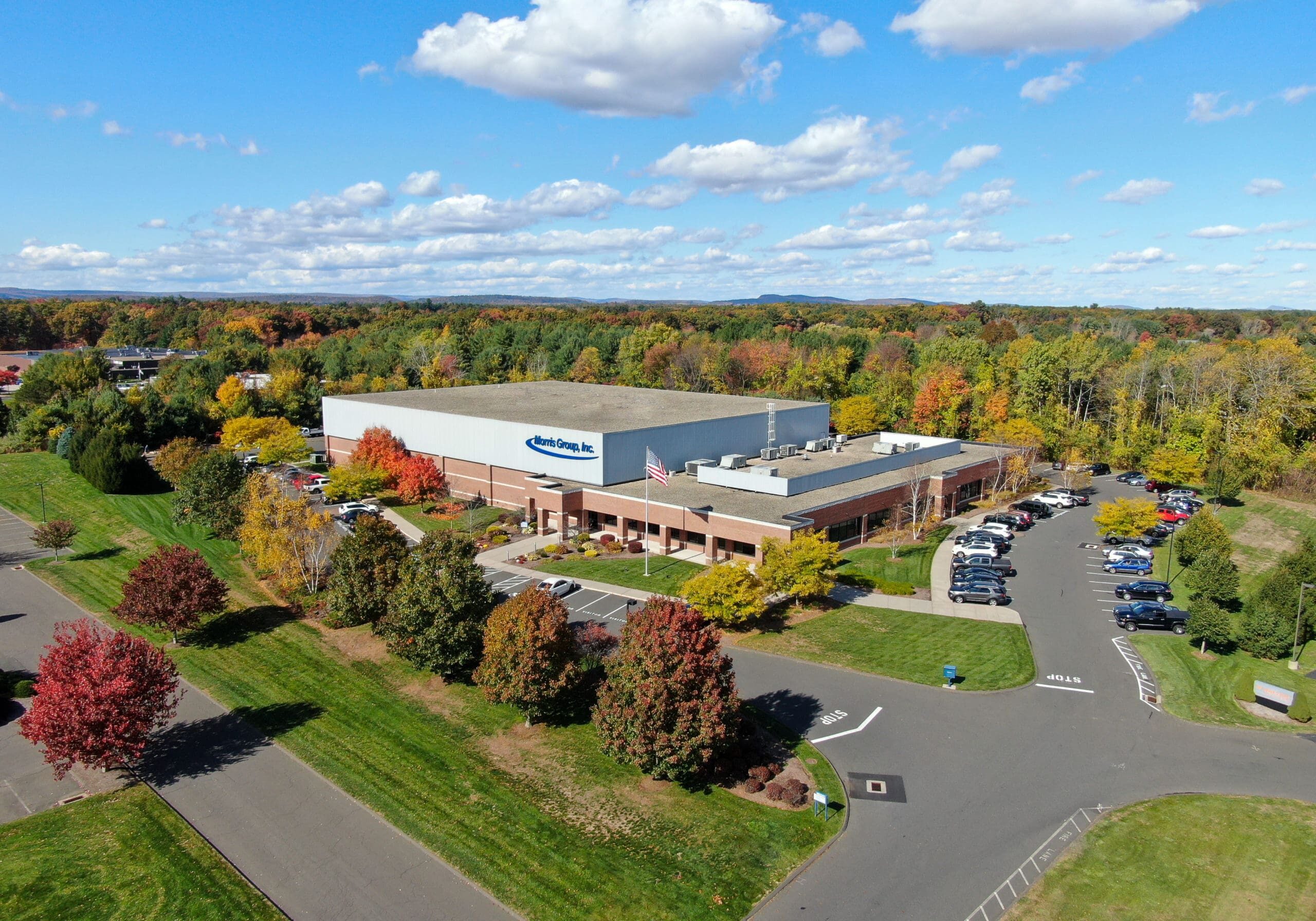
Since its founding by Robert E. Morris and his wife, Dorothy, in 1941, The Robert E. Morris Company has grown to be one of the Northeast's most respected machine tool distributors. The Robert E. Morris Company provides CNC machine tools, tooling and accessories, and related engineering and support services to manufacturers of precision machined parts in the New England states plus Northern New Jersey and Eastern New York, including the New York metro area and Long Island.
Morris represents the following machine tool lines: Okuma, Tsugami, C.R. Onsrud, Chevalier, GEMINIS Lathes, Desktop Metal, Hauser, Jones & Shipman, Kellenberger, Momentum, MP Systems, SORALUCE, TRUMPF TruMark Laser Marking Systems, Tschudin, Usach, Velocity, Unisig and Voumard.
Our Preventative Maintenance support team is willing and able to help you get ahead of any problems or pain points that can occur and cause delays in your machines production time and functionality.
Current News & Events
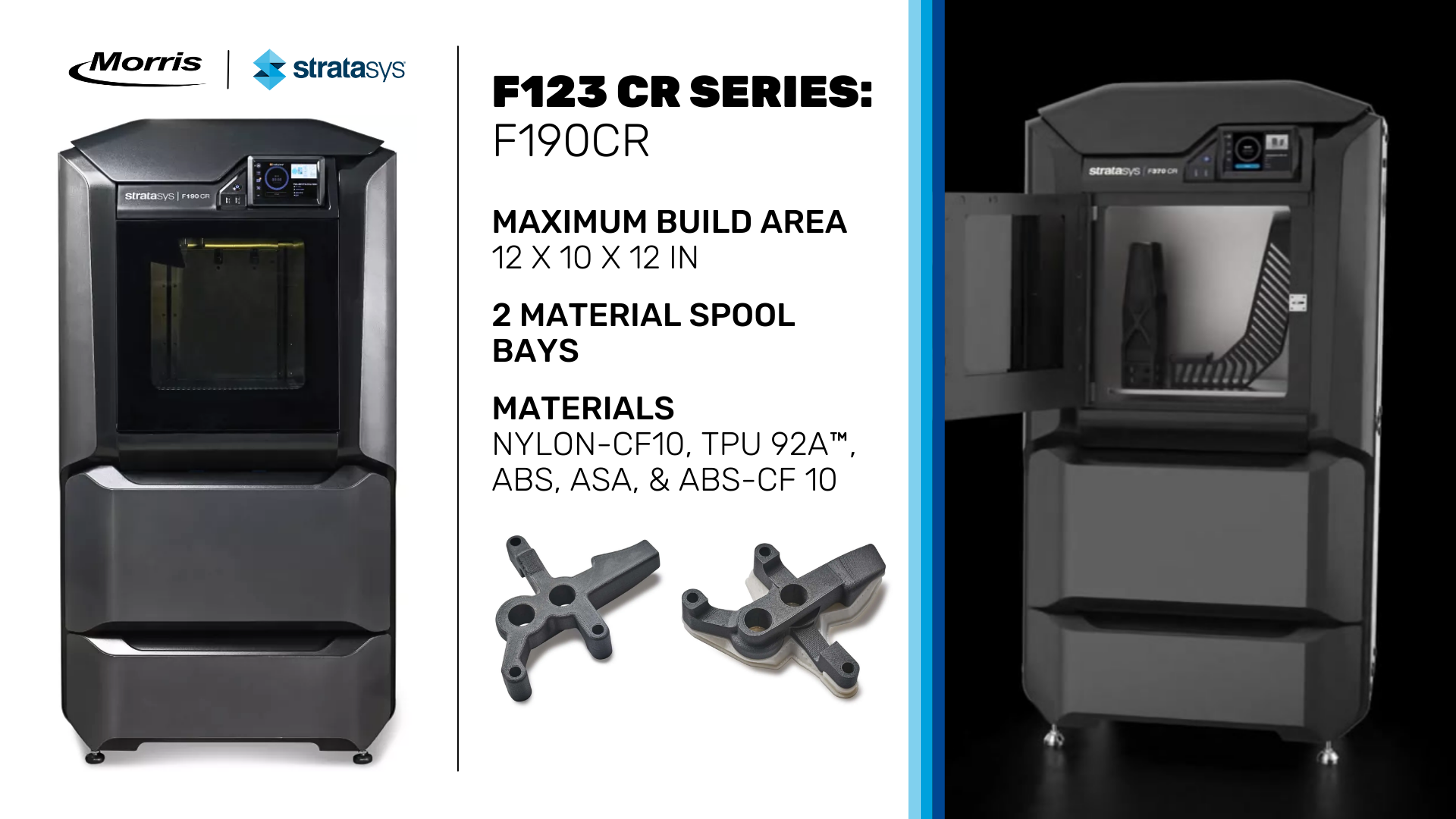
Stratasys: Expanding Additive Manufacturing Solutions
Morris is thrilled to announce a groundbreaking addition to our roster of technology partners: Stratasys, a pioneer in additive manufacturing. Our partnership with Stratasys introduces the innovative F123CR Series to our suite of solutions, marking a significant leap in our commitment to offering cutting-edge manufacturing technologies.
These 3D printers support a broad range of materials, catering to varied manufacturing needs and easily integrate into existing workflows. Their precision engineering enhances quality and efficiency, leading to significant cost savings.
Take advantage of special financing for the F190CR*, starting at $1,430/month with Machinery Finance Resources.**
*Purchase order due by 5/1/2024. **For qualified buyers
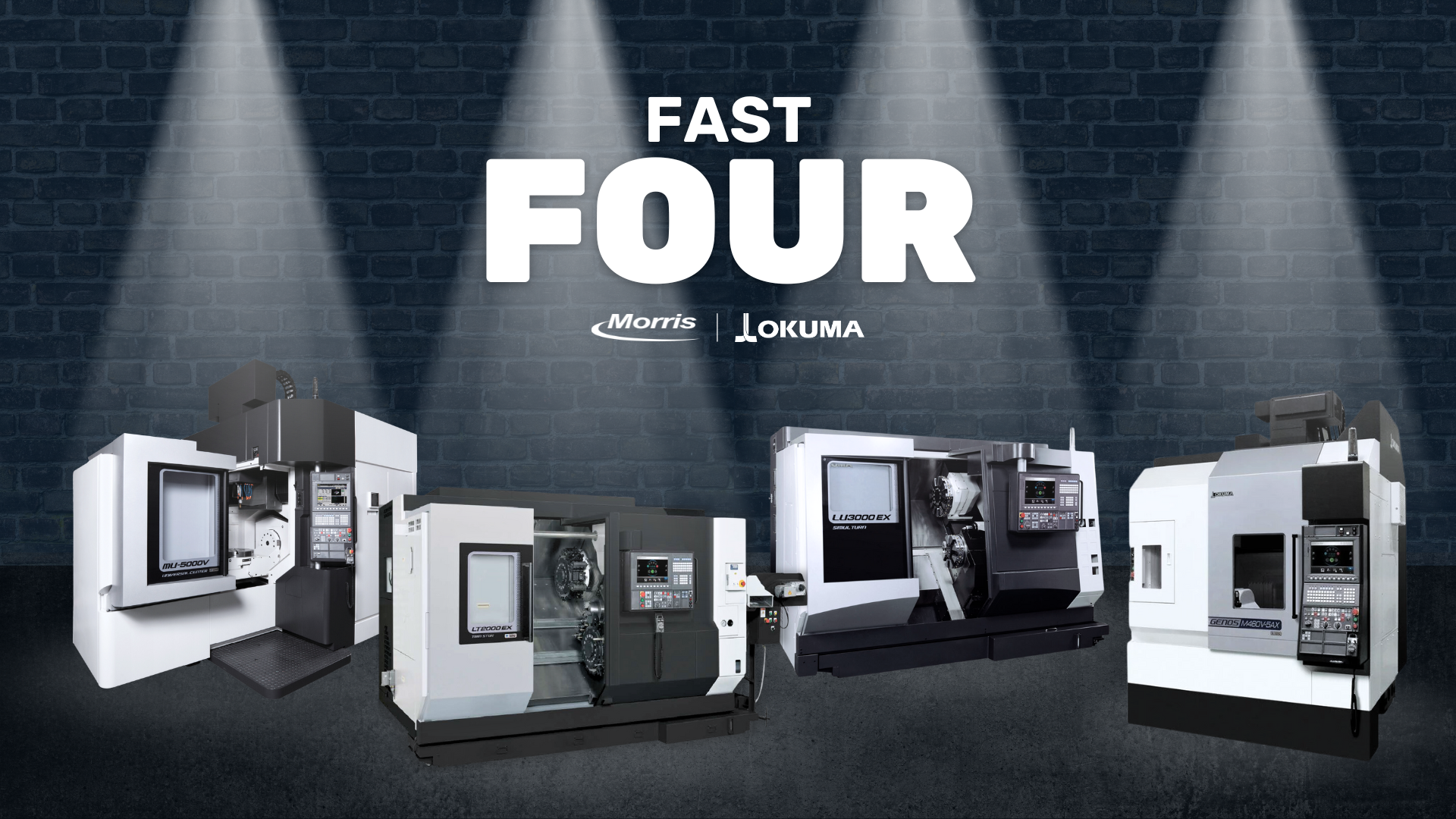
Explore Our Wide Range of In-Stock Okuma Machines, Available for Immediate Delivery
Morris offers Okuma machines, known for exceptional precision and reliability in aerospace, automotive, medical, and defense industries. These machine tools are tailored to meet the specific demands of each sector.
The MU-4000V, with its large work envelope and compact design, excels in aerospace. The LT2000 EX, known for its dual turret flexibility, is ideal for medical manufacturing. The LU3000 EX offers precise, powerful machining for the automotive industry. The GENOS M460V-5AX provides durable, accurate 5-axis machining for defense applications.
Thanks to our finance partner, Machinery Finance Resources, finance your new Okuma machine for up to 84 months and defer payments for the first 90 days. Bundle your machinery, automation, accessories, tooling and even rigging costs into a single loan with a single MONTHLY payment.*
*For qualified buyers.

View, Record, and Enhance Your Operations with VisionLine
Experience enhanced productivity and reliability with VisionLine camera systems. Designed to elevate your production's quality through instant image-based monitoring, VisionLine offers modular flexibility for easy adaptation and future-proof operations.
These cameras boast optimized ergonomics for operator comfort and versatile installation options to fit seamlessly into any machinery setup. Plus, with advanced recording capabilities, you can continuously refine your processes through detailed post-operation analysis, ensuring your operations remain competitive and efficient.
See the difference VisionLine can make. Request your quote today and elevate your production processes!
Machining Solutions Since 1941
HORIZONTAL LATHES
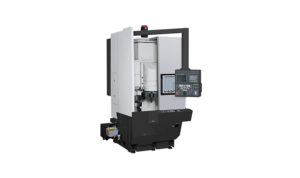
VERTICAL LATHES
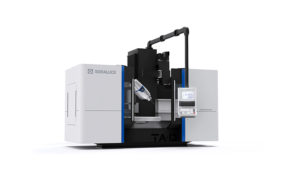
5-AXIS
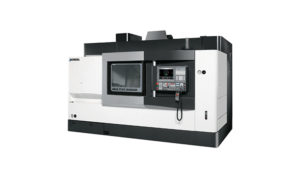
MULTITASKING
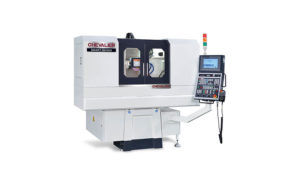
GRINDERS
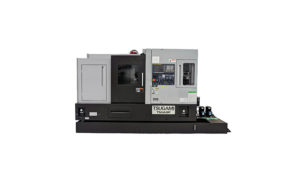
SWISS
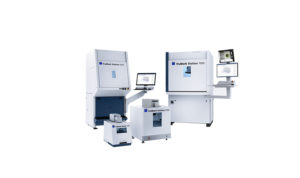
LASER MARKING
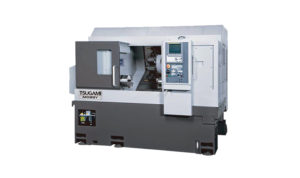
TURNING CENTERS
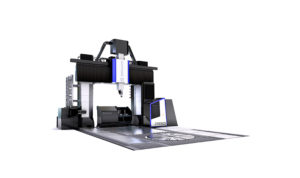
DOUBLE COLUMNS
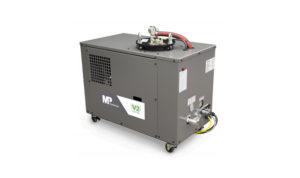
COOLANT SYSTEMS
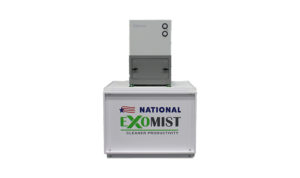
MIST COLLECTORS
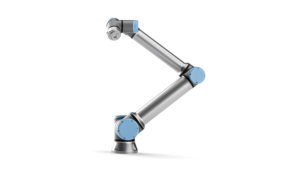
AUTOMATION
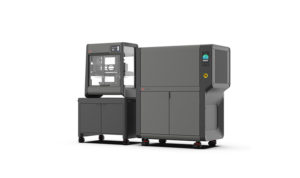
ADDITIVE MANUFACTURING
MACHINING CENTERS
Machine Tool Lines Support
Our strong relationships with our technology partners means that we can provide you with the best solutions to your manufacturing problems.
Select a builder for service, parts, engineering, or sales requests.